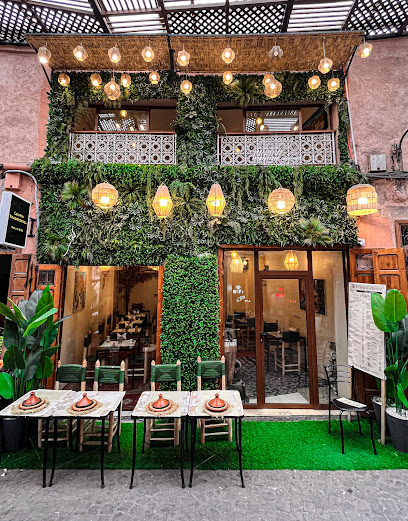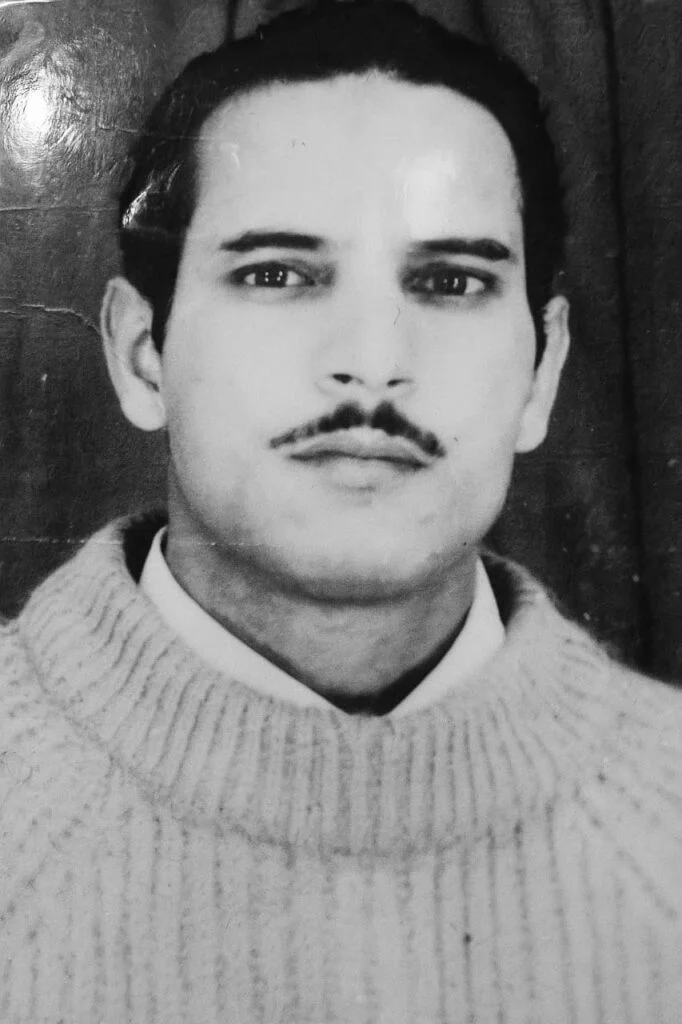
Born from Silence, Forged in Flame.
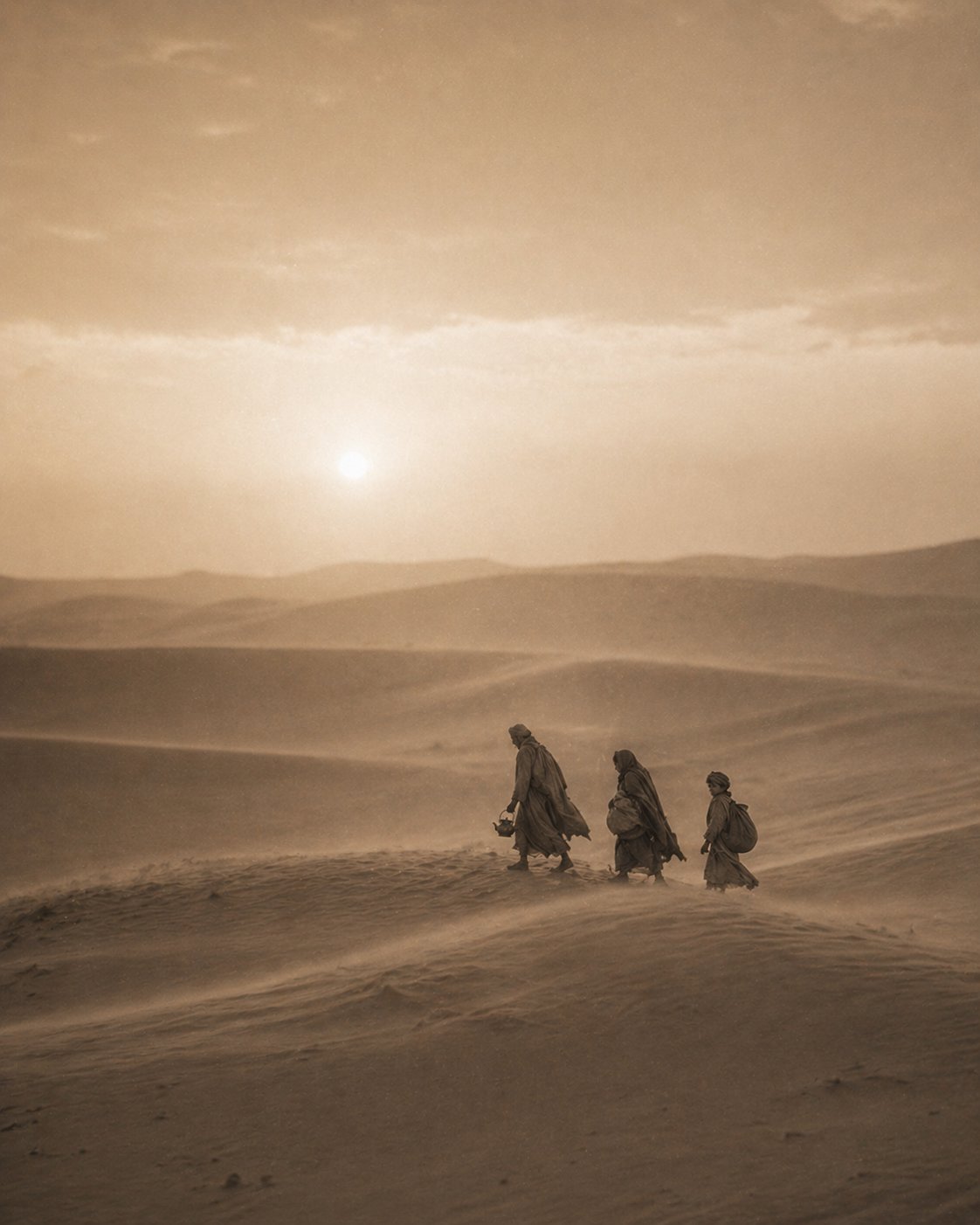
Ahmad fled the Sahara's silent heat with his family, carrying nothing but grief. They arrived in Fez not as settlers, but as survivors.
In his young son Moulay Driss, a spark endured, not of revenge, but of warmth, waiting to rise. A fire remembered from somewhere older than any of them.
A Dream Rises in Marrakech.
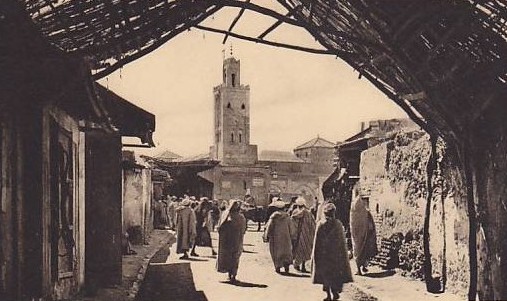
In 1941, Moulay Driss left Fez with roughened hands, family recipes, and a restless hunger for meaning. He arrived in Marrakech and laboured in silence.
In 1946, he lit the flame, a modest street stall in Bab Doukkala. His food wasn't just food. It was Morocco, held in a single bite.
People came. And they kept coming.
A Journey Through Morocco's Soul.
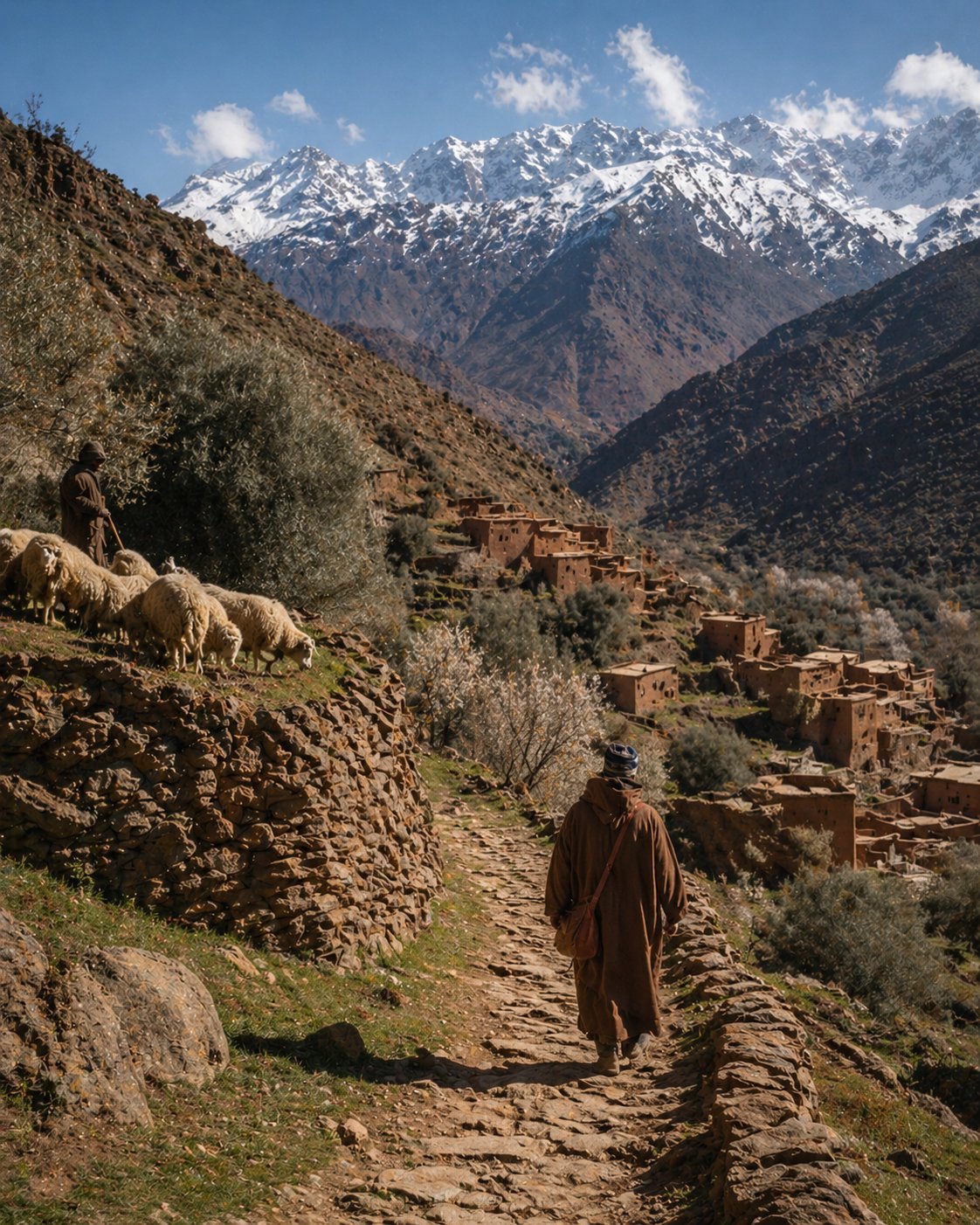
Moulay Driss became a wanderer. He climbed the Atlas Mountains. Dined with shepherds in Ouarzazate. Listened to elders in Essaouira.
He cooked with his hands but learned with his heart. Each dish was more than a recipe. It was a story, an echo of a place. Those echoes still live in our kitchen today.
A Father's Wish, A Son's Oath.
Before he passed, Moulay Driss spoke quietly to his son. The words were plain. The weight was not.
"Take care of your family. Take care of the house. And may our food bring joy to families everywhere, the same way it brought joy to ours."
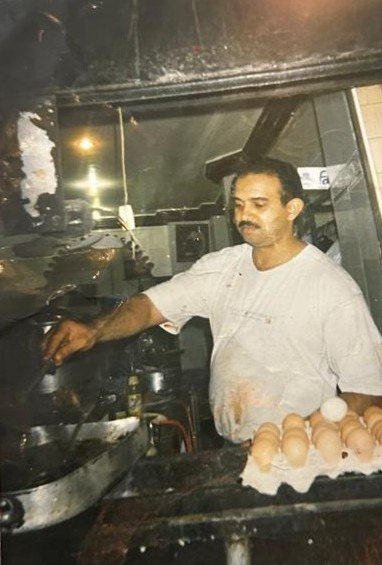
At eighteen, Khalid accepted the weight of that vow. He stepped into the fire. He raised his siblings. And then, when the time came, he raised his own sons, Youssef and Hamza, not in a kitchen, but in a tradition.